Seasonality influence flavour and quality and supports sustainable production models
When we talk about seasonal foods, we usually think about fruits and vegetables. However, what many people do not realise is that meat also has its own seasonality. Today we can buy beef, pork or chicken all year round. For this reason, it is common to ask: does meat really have a season? The answer is yes, although with some nuances compared to agricultural products. Meat can be consumed at any time of the year, but its flavour, texture and overall quality are influenced by the natural cycle of animals and their diet, factors that change throughout the year.
Spring, for example, is one of the richest seasons for pasture. Fields become greener, there is greater plant diversity and vegetation contains more nutrients. All of this is reflected directly in the meat: better fat marbling, greater juiciness, a more intense flavour and a brighter colour.
That is why meat from animals feeding on fresh pasture is not the same as meat produced during the driest months of the year. In short, although we can eat meat all year long, its best expression is often linked to certain seasons.
At Ramaders Agrupats, as meat specialists, we explain which meats are most common during each season.
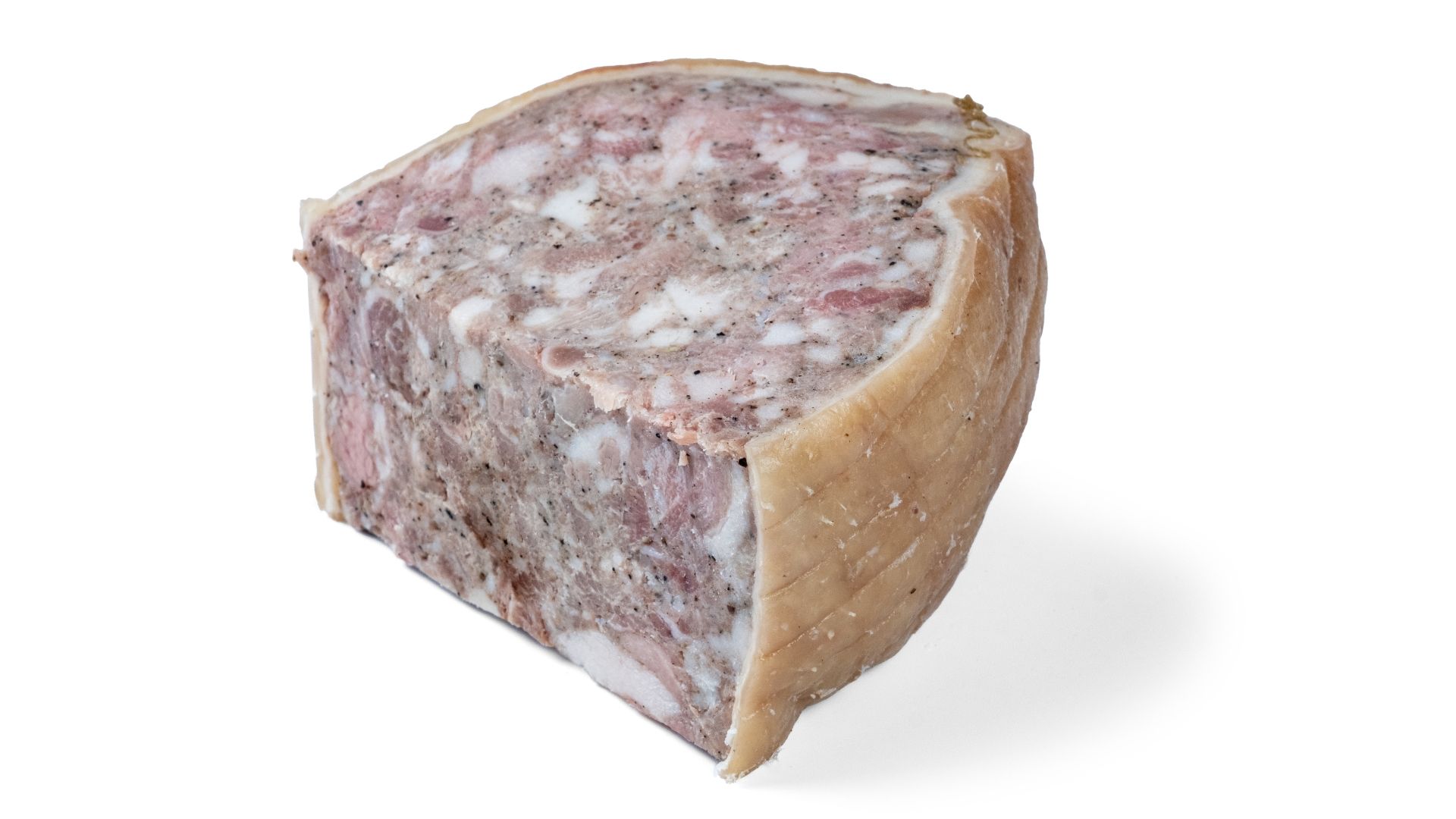
During autumn and winter, when temperatures drop, heartier dishes become more popular. Typical meats include Iberian pork, perfect for stews and roasts, as well as game meats such as quail, partridge and wild boar. It is also the traditional season for cured meats linked to the annual pig slaughter.
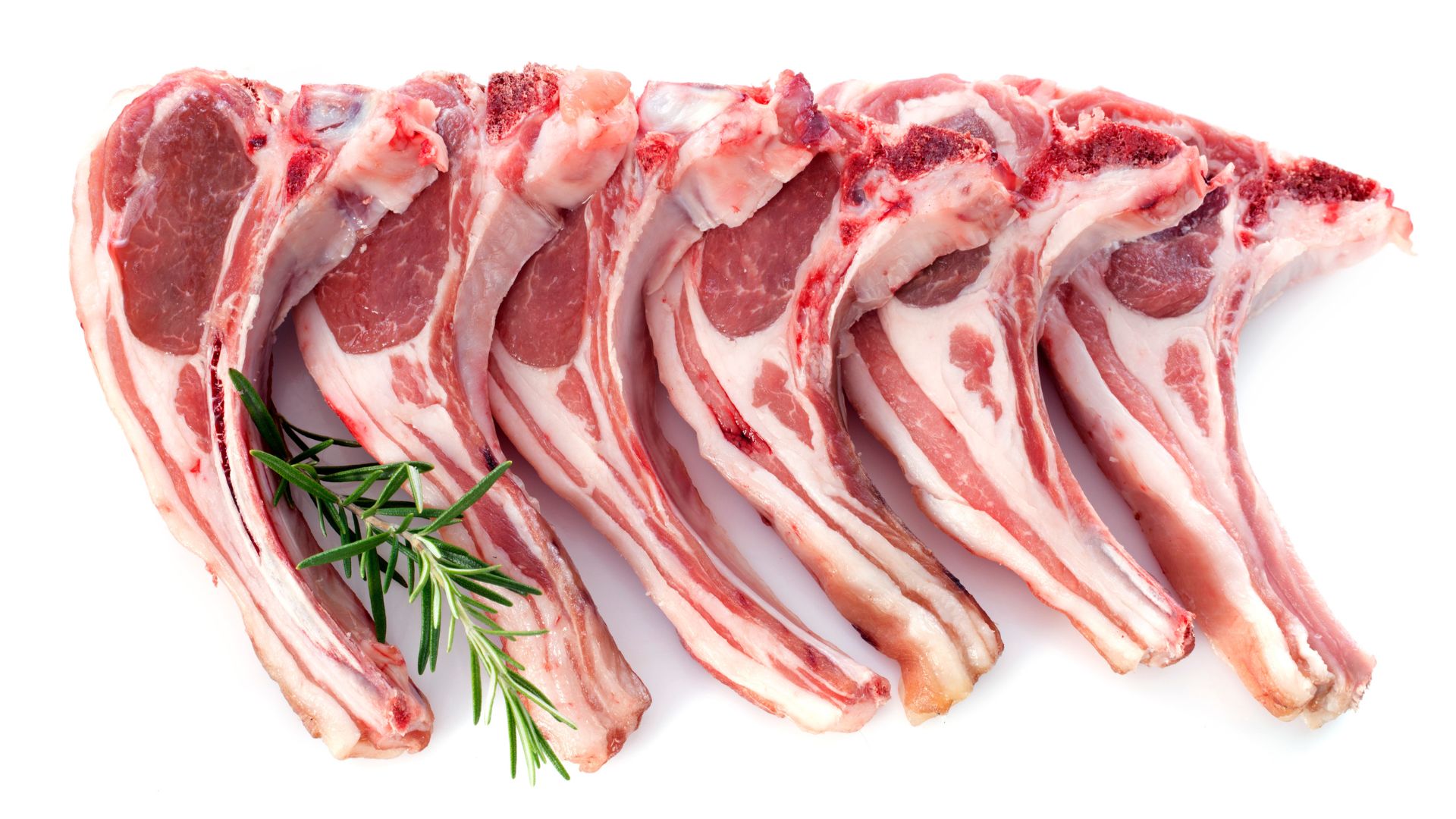
In spring and summer, when the weather becomes warmer and fields are greener, people tend to look for lighter dishes. Meats that take centre stage include beef, lamb, and various red meat cuts, which are ideal for grilling and barbecues.
There are also meats that work well all year round, such as chicken, a versatile and widely consumed option.
Considering the seasonality of meat products offers several advantages: better nutritional quality, improved flavour and greater freshness. It also supports more sustainable production systems and helps recognise the work of farmers who care for the land.