The factors that make the difference in every bite
Tenderness is one of the most valued qualities in meat because it directly affects texture, juiciness and the overall eating experience. It is the result of a chain of decisions and processes that begin long before the meat reaches the butcher’s counter.
At Ramaders Agrupats, as meat specialists, we want to help you understand the key factors behind tender and flavourful meat.
Tenderness is closely linked to the animal’s muscle fibres. In general, younger animals produce more tender meat because their fibres are less developed, contain less collagen and are easier to chew.
The animal’s diet also has a direct impact on meat quality and texture. A balanced diet encourages better fat infiltration, which improves juiciness during cooking.
Cooking is the final step in the process. The way meat is cooked can enhance or ruin its tenderness. Some techniques that help achieve softer and juicier meat include:
- Marinades, which help soften the fibres and add moisture.
- Slow cooking, ideal for cuts with higher collagen content, allowing the meat to become tender gradually.
- Low-temperature cooking, which prevents the fibres from tightening excessively and helps preserve natural juices.
Recipe: Beef stew (serves 4)
Ingredients:
- 1 kg beef
- 2 onions
- 2 carrots
- 1 clove of garlic
- 1 glass of red wine
- 500 g meat broth
- Salt, pepper and flour
- 1 bay leaf
Step by step:
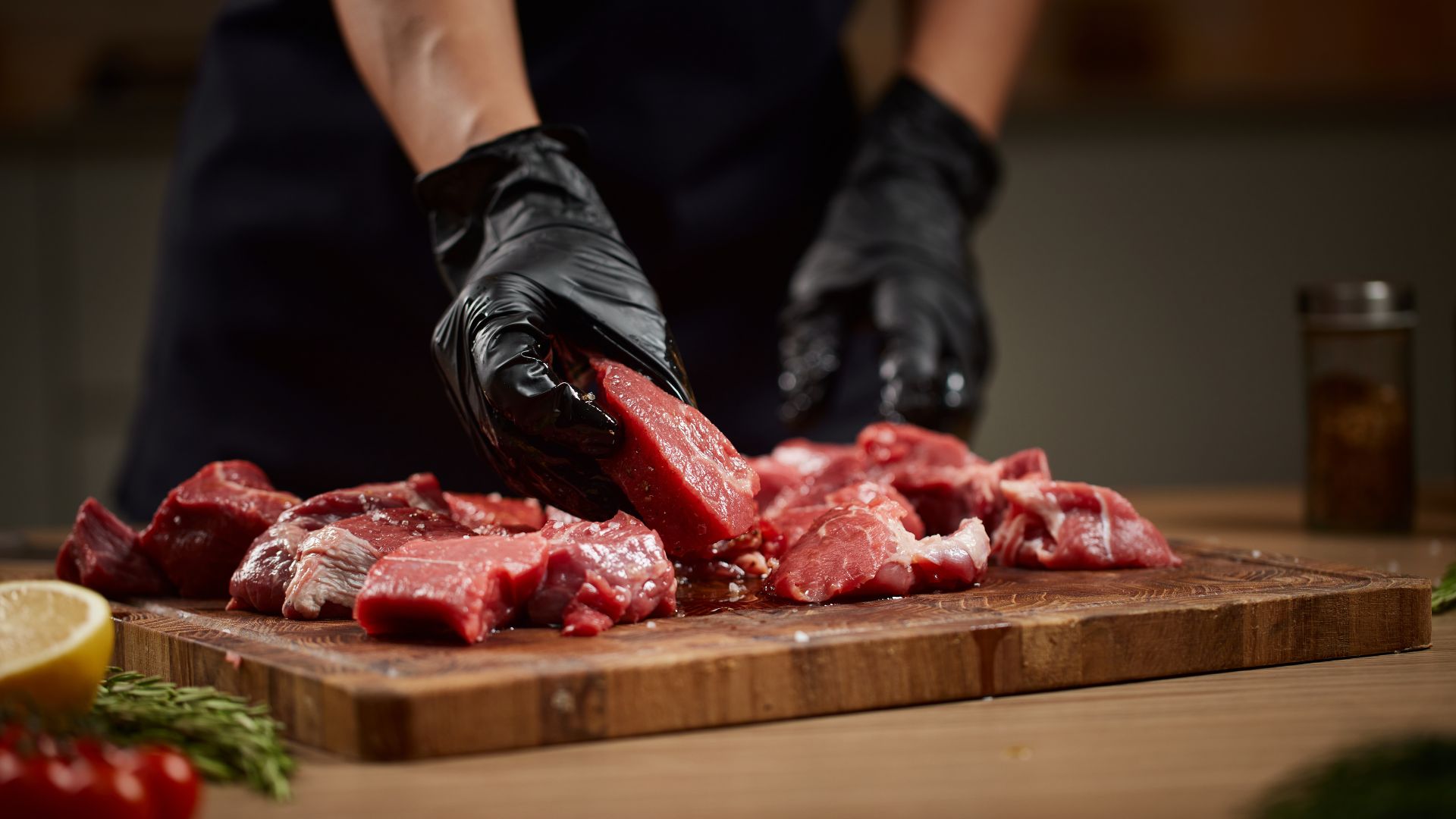
- Season the beef with salt and pepper, dust with flour and brown in oil. Remove the beef and, in the same pan, sauté the vegetables.
- Add the beef and cook until tender.
- Once the beef has heated through, deglaze the pan with the red wine. Allow to evaporate for a couple of minutes before continuing. Once reduced, add the beef stock until just covered. Leave to simmer over a medium-low heat for at least an hour and a half, depending on the size of the meat. Stir occasionally.
- For an even tastier result, add some boiled potatoes sautéed with herbs.