Smoking meat
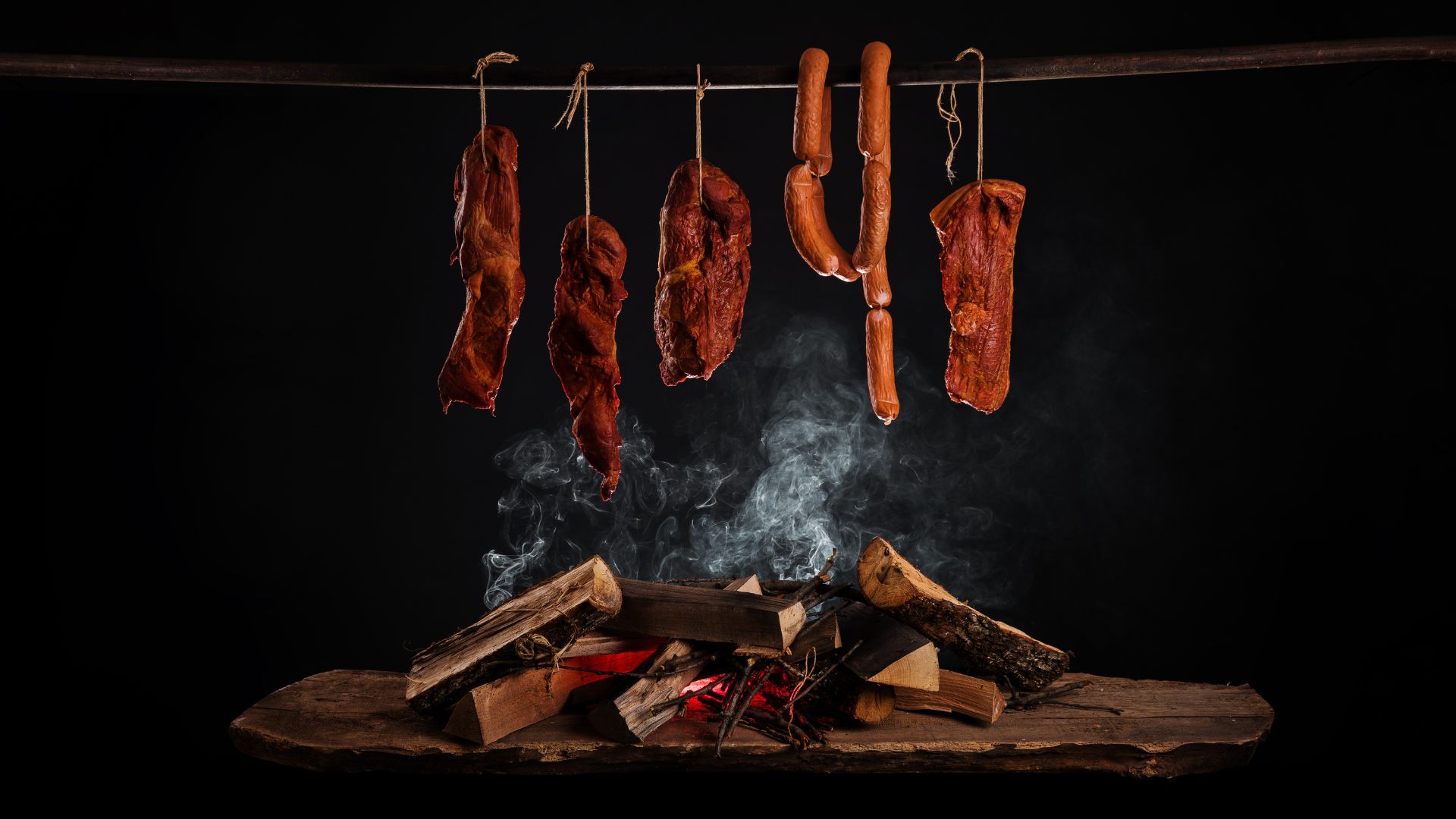
There are flavours that need no introduction and are recognised almost instantly when they come into contact with your senses. Smoked flavour is one of them. You only need to notice its aroma to recognise that intense, warm and slightly toasted touch that can completely change the personality of a cut of meat.
But smoking meat is not simply about exposing food to smoke. Behind this technique there are different preparation methods, times and temperatures that directly influence the final result. The aim of smoking is to add new nuances without hiding the product’s natural flavour.
Although smoking was traditionally used as a way of preserving food, over time it has also become a technique appreciated for its gastronomic qualities. Today, smoked meat stands out precisely because of its distinctive aroma and flavour.
There are currently different smoking methods, each designed to achieve a specific result: a recognisable and distinctive flavour and aroma.
What does smoking add to meat?
Smoke can significantly change the way we perceive a product. It provides aromas and nuances that cannot be achieved in the same way through conventional cooking. Its main characteristics include:
- More aroma: the smoky smell is one of its most recognisable features.
- Greater flavour intensity: it adds nuances that make every bite more complex.
- Toasted notes: the process can create sensations reminiscent of fire and wood.
That is why, when we talk about smoked meat, we are not talking only about smoke. We are talking about a technique capable of transforming the flavour and the overall experience of a product.
Types of smoking: cold and hot
One of the main differences between smoking processes is related to temperature.
In cold smoking, the product is exposed to smoke without the temperature becoming high enough to cook it. This method adds aroma and flavour while maintaining the food’s original characteristics. It is particularly used for certain fish, cheeses and other products that can subsequently be eaten without conventional cooking.
In hot smoking, in addition to contact with smoke, heat is applied, allowing the food to cook during the process. This method is particularly interesting for meat, poultry, fish, seafood, soups and cured meats.
Woods used for smoking meat
The type of wood used also influences the aromatic profile of the smoking process. Not all woods provide the same characteristics, so the choice will depend on the product and the result you want to achieve. In general, fruit woods tend to be associated with softer, more aromatic profiles, while other woods can provide stronger and more intense notes.
- Apple: mild and fruity.
- Cherry: sweet and slightly fruity.
- Mesquite: intense and earthy.
- Maple: mild and sweet.
Recipe: smoke pork loin
Ingredients
- 1 whole pork loin (approximately 2-2.5 kg)
- 2 tablespoons olive oil
- 4 litres of water
- 1/2 cup kosher salt
- 1/3 cup brown sugar
- 3 crushed garlic cloves
- 2 bay leaves
- 1 tablespoon black peppercorns
- 1 teaspoon cumin seeds
Ingredients for smoking:
- Pieces of oak, walnut, apple or cherry wood (each will provide a different aromatic profile)
Preparation
The day before
- Prepare the brine: mix the water with the salt, sugar and spices until everything is completely dissolved. Leave to cool.
- Add the pork loin: place the pork loin in a container, cover it with the brine and leave it in the refrigerator for 12 to 24 hours.
Smoking day
- Prepare the pork loin: remove it from the brine, dry it thoroughly and rub it with a little olive oil.
- Add the spices: cover the entire surface of the pork loin with your chosen spice mixture.
- Prepare the smoker: maintain an approximate temperature of 110-120 °C and add the chosen wood to create the smoke.
- Smoke the pork loin: place the meat in the indirect-heat area and allow it to cook slowly for approximately 2.5-3 hours. The cooking time may vary depending on the size of the cut.
- Let it rest: when it is ready, remove the pork loin and let it rest for around 20 minutes before slicing.
- Serve: slice the pork loin and enjoy the freshly smoked meat.
At Ramaders Agrupats, we believe in meat products where flavour and tradition play a leading role. Learning about different preparation techniques also allows us to discover new nuances and enjoy the products we bring to our table in a different way.