Easter Panades with chicken
An equally delicious alternative
Easter Panades with chicken are here to stay. They’re a lighter or complementary alternative to the traditional ones made with lamb or pork.
This version is milder and lighter, yet just as tasty if you follow a few simple tips. It’s perfect for those who want to avoid red meat or simply enrich their Easter spread with more options.
Here’s the recipe and some tips to keep the chicken tender and juicy.
RECIPE
Ingredients
For the dough (makes around 12 Panades):
-
500 g flour
-
150 ml warm water
-
150 ml mild olive oil
-
50 g lard (optional, but it adds great tenderness. See the note below on how to substitute it with butter or margarine)
-
1/2 teaspoon salt
For the filling:
-
300–400 g chicken, cut into small cubes (boneless thigh is ideal – tasty and juicy)
-
1 small onion, chopped
-
A handful of peas (optional)
-
Fresh parsley, chopped
-
Salt and black pepper to taste
-
A drizzle of olive oil
Preparation
Prepare the dough: mix the oil and water (and lard, or butter or margarine if used), then gradually add the flour and salt. Knead until the dough is smooth and workable. Cover and let it rest.
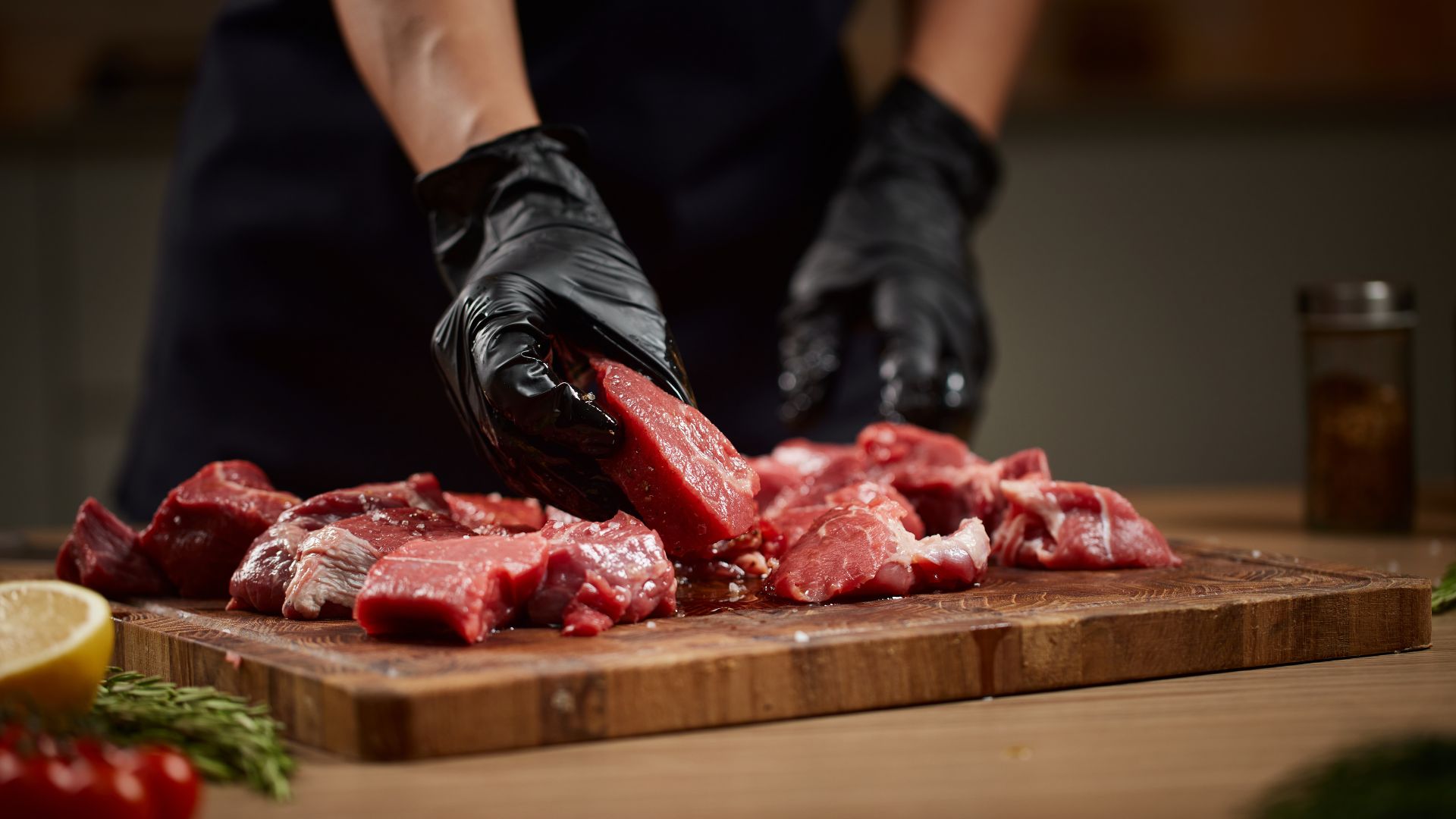
Prepare the filling: mix all the ingredients raw. The chicken should be fresh and cut into small cubes so it cooks properly.
Assemble the Panades: make a ball of dough and flatten it to form the base. Build up the sides with your fingers and add the filling. Cover with a smaller piece of dough and seal the edges by pinching.
Bake: with the oven preheated, place the Panades on a tray and bake at 180 °C for 40–45 minutes. They should come out golden and crisp.
TIPS AND TRICKS
How to keep the chicken from drying out
Basics
-
Use boneless thigh – it has more natural fat and stays juicier than breast.
-
Cut the meat into small cubes so it cooks through easily.
-
Add a good drizzle of olive oil to the filling, and don’t be shy with salt and pepper.
-
Seal the top well to retain the steam during baking.
Optional
-
Add a bit of spring onion – it enhances the effect of the regular onion, adds moisture and softness.
-
Add a small amount of lard – it gives extra fat and flavor.
Substituting lard with butter or margarine… and still nailing it
- Butter: use unsalted butter. The texture will be very similar to lard, and the dough will be tasty, slightly sweeter. Use it at room temperature for easier kneading.
- Margarine: a lighter, plant-based option for those avoiding animal fats. The flavor will be more neutral.
About proportions and texture
The proportion is the same: if the recipe calls for 50 g of lard, you can use 50 g of butter or margarine. But there are nuances.
Lard melts at around 40 °C, while butter – and especially margarine – melt at lower temperatures. So, using the same amount, the dough may turn out less crispy.
- Don’t use too much! If you overdo it, the dough will be too soft, greasy, and may lose structure.
- Don’t use too little! If you don’t add enough, the dough will be dry, hard, and might crack.
The trick is to keep the original proportions and, if needed, balance it with a touch of olive oil, which helps restore elasticity and adds a slight crispiness, similar to what lard brings.